Singapore has taken firm enforcement action against illegal drug vaping, with a man charged after authorities uncovered nearly 2,000 vape pods containing etomidate during checks at Woodlands Checkpoint. The seizure represents the largest etomidate-related vape case since the substance was classified as a controlled drug.
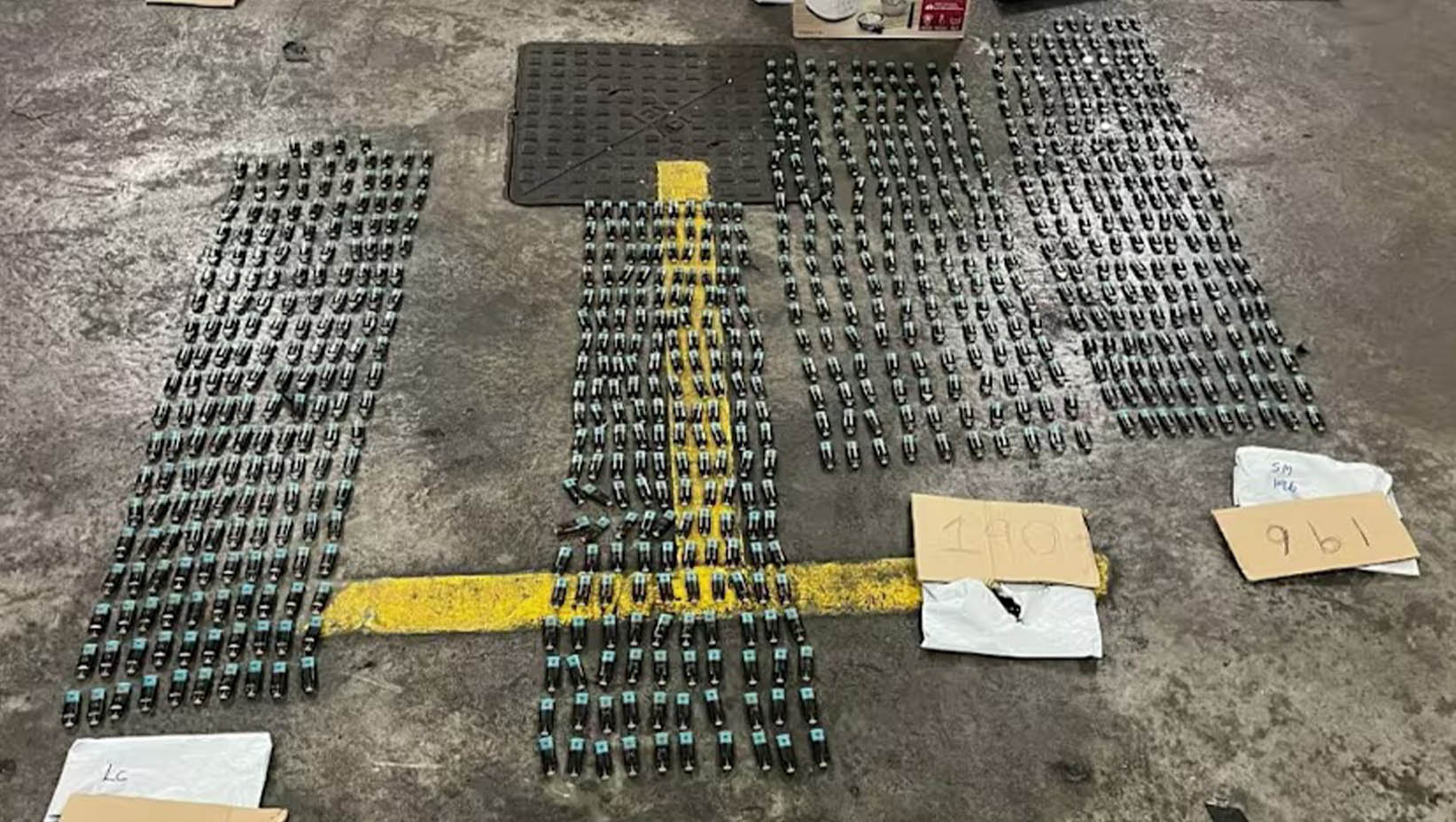 Photo credits: Health Sciences Authority
Detection at Woodlands Checkpoint
The suspect was stopped while entering Singapore when officers from the Immigration & Checkpoints Authority conducted enhanced inspections on his vehicle. During the checks, officers discovered two boxes concealed in the boot, which were found to contain a large quantity of e-vaporiser pods.
Subsequent analysis confirmed that the pods contained etomidate, a sedative-hypnotic agent that has increasingly been misused in vape products. The case was later handed over to the Health Sciences Authority for further investigation and prosecution.
Why Etomidate Is a Serious Concern
Etomidate is a medical anaesthetic used in controlled healthcare settings. When misused recreationally through vaping, it poses significant health risks, including impaired consciousness, respiratory suppression, and dependency. Due to these risks, Singapore classified etomidate as a controlled drug, placing it under strict legal control.
Since the classification, authorities have intensified enforcement efforts to curb the spread of etomidate-laced vape products entering the country through land and sea checkpoints.
Legal Consequences Under Singapore Law
Under the Misuse of Drugs Act, individuals found importing, distributing, or trafficking controlled substances face severe penalties, including lengthy imprisonment and corporal punishment. The authorities have reiterated that drug-related vaping products will be treated with the same seriousness as traditional narcotics.
This case highlights Singapore’s zero-tolerance stance on emerging drug delivery methods and reinforces the government’s commitment to keeping its borders secure.
Strengthening Border Detection and Screening
Singapore continues to rely on intelligence-led profiling, advanced analytics, and inter-agency collaboration to detect high-risk travellers. Rapid drug screening tools and specialised training further enhance frontline officers’ ability to identify concealed substances efficiently.
Learn more about drug screening technologies and how enforcement agencies combat evolving drug threats through innovation and policy.
Conclusion
The arrest and charging of the suspect serve as a strong deterrent against drug trafficking via vape products. As synthetic and pharmaceutical substances continue to be misused, Singapore’s enforcement agencies remain vigilant, adapting detection methods to protect public health and safety.
 Photo credits: Health Sciences Authority
Source: Adapted from a joint media release by Singapore Customs, Central Narcotics Bureau and Immigration & Checkpoints Authority. Content rewritten for informational purposes.